Home >> Men’s Health
The Silent Struggle of Erectile Dysfunction
Erectile dysfunction is more common than most people realize—and it has nothing to do with weakness, masculinity or personal failure. According to the Massachusetts Male Aging Study, approximately 50% of men between the ages of 40 and 70 experience some degree of ED — making it one of the most common medical conditions in men’s health.
ED is fundamentally a vascular and neurological condition, rooted in blood flow, nerve signaling, and hormonal balance — not a reflection of who you are as a person.
That distinction matters, because the stigma surrounding ED is precisely why so many men wait to address it. Research from the American Medical Association indicates that men wait an average of two years after first noticing symptoms before seeking medical advice. Two years of frustration, strained relationships, and quiet anxiety — all because the conversation feels too uncomfortable to start.
It’s also worth separating occasional difficulty from chronic ED. Stress, poor sleep, and alcohol can all cause temporary issues that resolve on their own. Chronic ED, by contrast, is persistent — and it often signals an underlying condition that deserves proper evaluation. Men exploring options like viagra for erectile dysfunction frequently discover that the medication alone isn’t enough if the root cause goes unaddressed.
Understanding what’s actually happening in your body is the essential first step — and that’s exactly where the clinical picture becomes critical.
The Clinical Path: Diagnosis and Modern Treatment Options
Effective erectile dysfunction treatment begins not with a prescription, but with understanding exactly what’s driving the problem in the first place.
The root cause is almost always physical. According to the Mayo Clinic, the most common culprits are cardiovascular disease, type 2 diabetes, and high blood pressure — conditions that quietly damage blood vessels and nerves long before ED becomes noticeable. This is why a proper diagnosis matters: treating the symptom without addressing the underlying condition rarely delivers lasting results.
Blood flow is the biological foundation of an erection. When arousal occurs, the brain signals the release of nitric oxide, which relaxes smooth muscle tissue in the penis and allows blood to fill the erectile chambers. Any condition that restricts blood vessel function — arterial plaque, elevated glucose, chronic hypertension — directly disrupts this process. It’s a vascular event before it’s anything else.
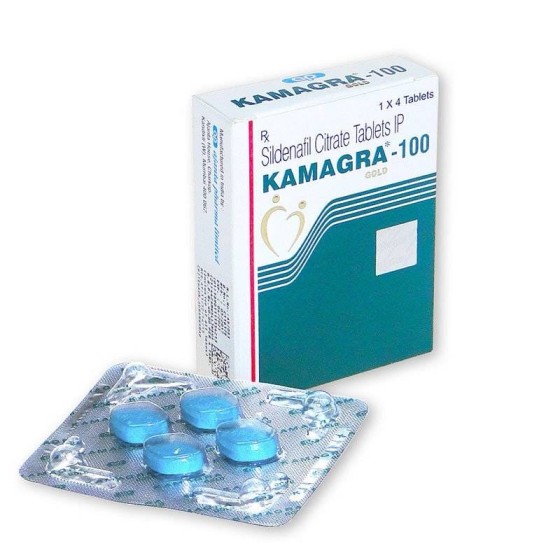
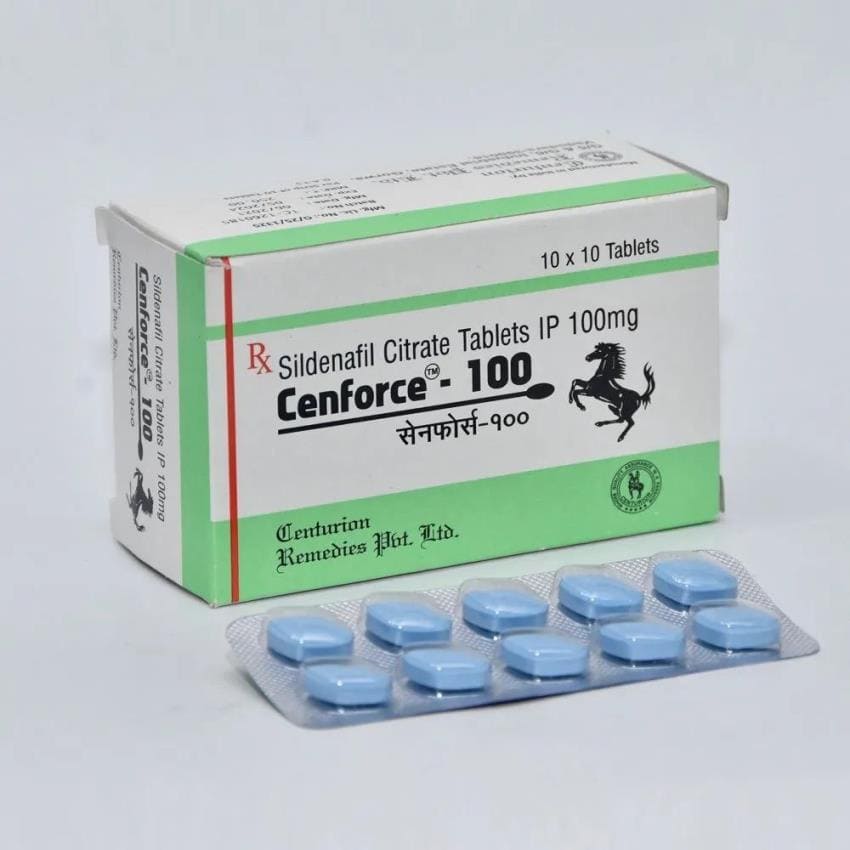
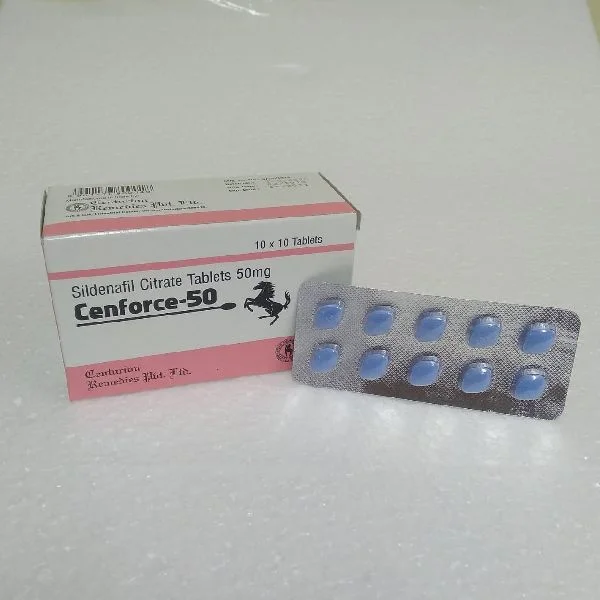
Dosage is where many treatment plans quietly fail. The standard starting point of 50mg sildenafil works well for some men, but a significant number don’t achieve adequate response at that threshold. Per FDA guidance, the 100mg dose represents the maximum standard protocol and is specifically indicated for men who don’t respond to lower amounts. Understanding how dose adjustments work in practice can be the difference between a treatment that underperforms and one that actually delivers results.
Getting the diagnosis right and the dosage calibrated correctly lays the groundwork — but it’s only part of the picture. Lifestyle factors play a more powerful supporting role than most men expect, which is exactly where the next section picks up.
5 Natural Ways to Support Your Vascular Health
Knowing how to fix erectile dysfunction often starts not with a prescription, but with the daily habits that either protect or damage your vascular system. As the previous section outlined, ED is frequently a cardiovascular warning sign — which means lifestyle changes that improve heart health tend to improve erectile function in parallel. Harvard Health confirms this directly: lifestyle changes that support cardiovascular health often produce measurable improvements in erectile quality.
Here are five evidence-backed approaches worth prioritizing:
Weight loss and aerobic exercise. Excess body fat elevates estrogen, suppresses testosterone, and impairs blood flow — a triple threat for erectile function. Regular cardio, even 30 minutes of brisk walking most days, can meaningfully reverse this.
The Mediterranean diet. Rich in vegetables, whole grains, olive oil, and lean protein, this eating pattern reduces arterial inflammation and supports healthy blood flow — two factors directly tied to erection quality.
Sleep hygiene. Testosterone is produced almost entirely during deep sleep. Poor or inconsistent sleep disrupts this cycle, quietly undermining hormonal health night after night.
Pelvic floor exercises. Kegel exercises strengthen the muscles that control blood retention in the penis. In practice, consistent training has shown real improvement in men with mild to moderate ED.
Reducing alcohol and tobacco. Both constrict blood vessels and blunt nerve sensitivity. Even gradual reduction produces noticeable vascular benefits over time.
These changes work best as a foundation — not a replacement for clinical treatment. And before layering on the popular “natural remedies” you’ve likely seen trending online, it’s worth separating what the evidence actually supports from what’s simply internet noise.
Addressing the Myths: From ‘Erection Drinks’ to Baking Soda
Internet searches for natural ways to overcome erectile dysfunction produce an overwhelming flood of folk remedies — most of which range from ineffective to genuinely risky.
The watermelon and pomegranate claims are partly grounded in science, but nowhere near strong enough to replace clinical care. Watermelon contains L-citrulline, an amino acid your body converts into L-arginine, which supports nitric oxide production — the same vascular mechanism that prescription medications target. Pomegranate juice shows similar promise. As Mayo Clinic notes, certain juices like pomegranate may support nitric oxide pathways, but they are not a substitute for clinical ED medication. Think of them as supportive nutrition, not treatment.
Hydration is one overlooked factor that does have a real physiological basis. Adequate blood volume is essential for achieving and sustaining an erection. Chronic dehydration can reduce circulation and lower blood pressure responsiveness — both counterproductive when your goal is healthy vascular function. Drinking sufficient water daily is a simple, cost-free habit worth maintaining alongside any treatment plan.
The baking soda “trick” circulating on social media deserves a direct rebuttal: there is no credible clinical evidence that sodium bicarbonate improves erectile function. At best, it does nothing. At worst, excessive baking soda consumption disrupts the body’s acid-base balance, causing nausea, vomiting, or dangerous electrolyte shifts — a real risk for men with cardiovascular conditions, who already represent a significant portion of ED patients.
The pattern here matters. When a remedy sounds surprisingly simple, that’s usually the first sign it’s bypassing the complex vascular and hormonal reality of ED. As the next section explores, even proven medications only work reliably when the right dosage and the right support system are in place.
Why Discretion and Dosage Matter in ED Recovery
Men who recognize erectile dysfunction symptoms often wait months — or years — before seeking help, not because treatment is unavailable, but because the conversation feels too uncomfortable to start.
The barrier isn’t medical — it’s psychological. According to the Journal of Medical Internet Research, “the availability of online consultations and discreet delivery has significantly lowered the barrier for men who previously avoided seeking help.” Telehealth platforms have fundamentally changed that dynamic, allowing men to speak with licensed providers from home, without a waiting room, without awkward face-to-face disclosures, and without any gap between consultation and treatment. Direct communication channels — including structured messaging support — further reinforce this, giving patients an ongoing resource to ask follow-up questions, flag concerns, and stay consistent with their protocol.
Dosage is the other side of the same coin. In clinical trials, 100mg sildenafil consistently demonstrates the highest efficacy rates among approved doses, making it the reference point against which other options are measured. Men who plateau on lower doses aren’t failing — they may simply be under-treated. Getting the dosage right requires honest, ongoing dialogue with a provider, which is exactly what modern direct-to-consumer care models are built to facilitate. When privacy is protected and dosing is personalized, adherence improves — and so do outcomes. That intersection of access and accuracy is ultimately what determines whether treatment works, a point worth examining closely as we draw the bigger picture together.
The Bottom Line: What You Need to Know
Erectile dysfunction is common, highly treatable, and no longer something men have to quietly endure — the right dosage, the right channel, and realistic expectations change everything.
As covered throughout this article, chasing folk remedies and ignoring dosage protocols are two of the most reliable ways to stay stuck. According to Hopkins Medicine, ED affects a significant portion of men at some point in their lives, yet effective, evidence-backed treatment remains underused. That gap exists largely because of stigma and misinformation — not a shortage of solutions.
Natural lifestyle changes support long-term vascular health, but they work on a timeline measured in months, not nights. Medication, particularly at the right clinical dose, delivers the kind of reliable results that rebuild confidence. Clinical guidelines indicate that 100mg Sildenafil provides the highest efficacy rate for maintaining an erection sufficient for sexual activity — making it the appropriate step for men who haven’t responded to lower starter doses.
Discreet, direct-to-consumer platforms have made managing men’s health more straightforward than ever, removing the barriers of in-person embarrassment that keep so many men waiting far too long. Here’s what this article distills down to:
ED is common and treatable — affecting men of all ages, with multiple proven clinical options available today.
100mg Sildenafil offers peak efficacy for men who need more than a starter dose, per FDA prescribing guidance.
Natural methods complement, not replace, medication — lifestyle changes support long-term health while treatment handles the immediate need.
Discreet direct-to-consumer channels are now the modern standard for managing ED privately and effectively.
The question isn’t whether treatment works — it does. The question is whether you’re ready to take the step that makes it work for you.
Taking the Next Step Toward Confidence
Waiting rarely makes erectile dysfunction easier to treat — and the men who act sooner consistently report better outcomes and faster restoration of confidence.
The average man waits two or more years before seeking ED treatment, and that delay compounds the problem. Underlying causes can progress, relationship strain builds, and the psychological weight of avoidance grows heavier. There is no benefit to postponing a conversation that modern medicine has already made straightforward. Physicians consistently emphasize that ED is a medical condition — not a character flaw — and that effective, well-tolerated treatments exist right now.
Streamlined access is where Buyviagra100mg directly addresses the friction that keeps men stuck. Rather than navigating crowded waiting rooms or pharmacy counters, the procurement process is condensed into a private, direct channel. Men can reach the right dosage without unnecessary barriers or public exposure.
What sets this approach apart is the direct callback and Telegram support, which provide a level of privacy and accessibility simply not found in traditional retail pharmacies. A real person is available to answer questions, clarify dosage options, and guide first-time users through the process — on their schedule, not a clinic’s.
The next step is straightforward: reach out, ask the question you’ve been putting off, and start treatment that actually fits your life. Confidence isn’t recovered by waiting — it’s recovered by choosing to act.