Understanding Sildenafil 150mg as Salvage Therapy
Sildenafil 150mg is not a recreational upgrade — it’s a targeted clinical intervention designed for patients whose erectile dysfunction has resisted every standard treatment option available.
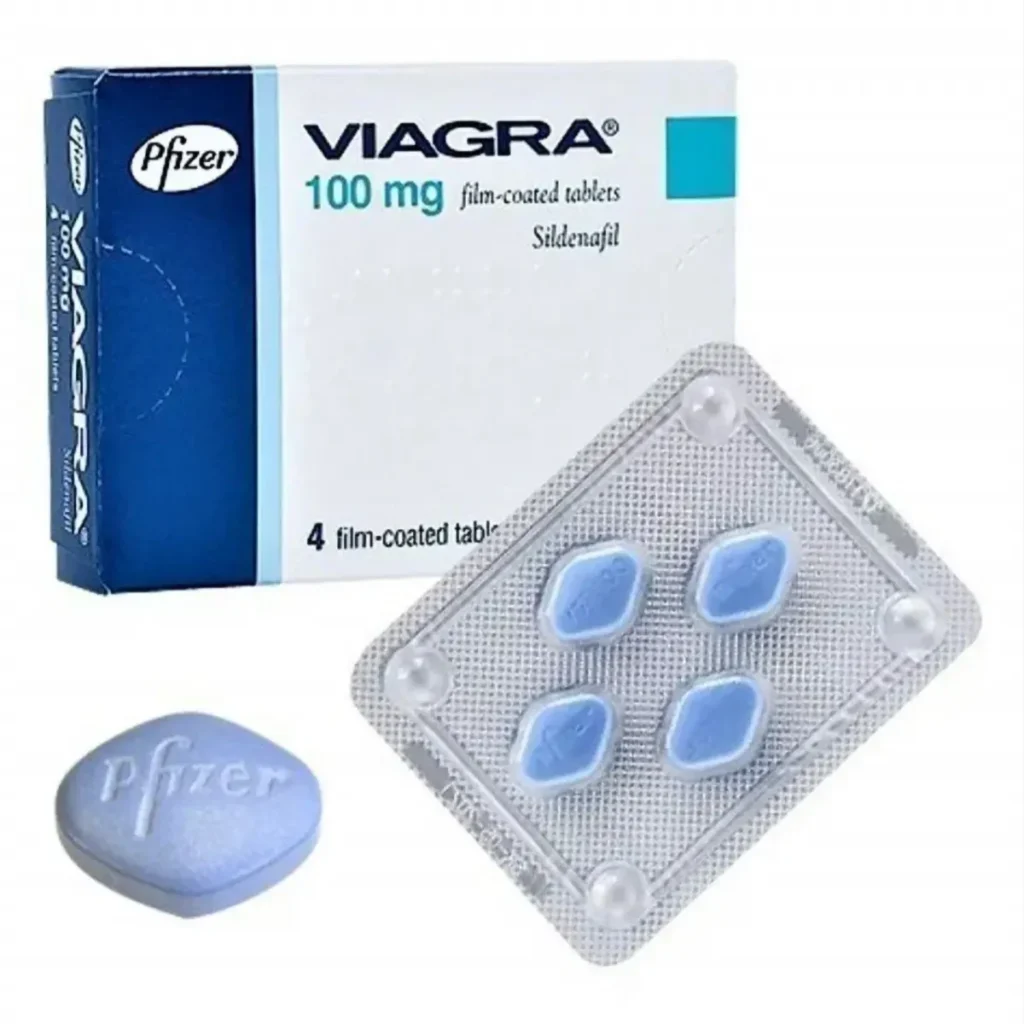
For men with severe ED who’ve already tried the maximum approved dose without success, the sildenafil 150mg dose represents a meaningful next step rather than a dead end. According to research published in the Journal of Sexual Medicine, sildenafil at 150mg demonstrated a vaginal penetration success rate of 86.4% in severe ED cases, compared to just 75.0% at the standard 100mg ceiling. That 11-percentage-point gap isn’t trivial — for patients who’ve experienced repeated treatment failure, it can be the difference between functional intimacy and ongoing psychological distress.
What Sildenafil 150mg Actually Is
Sildenafil is a phosphodiesterase type 5 (PDE5) inhibitor — a compound that works by blocking the enzyme responsible for degrading cyclic GMP in penile smooth muscle tissue. When PDE5 is inhibited, cGMP accumulates, smooth muscle relaxes, and arterial blood flow into the corpus cavernosum increases. The result is a firmer, more sustained erection in response to sexual stimulation.
At 100mg, this mechanism reaches its approved therapeutic ceiling. At 150mg, the inhibitory effect on PDE5 is amplified further, producing measurably greater vasodilation and intracavernosal pressure. The physiological difference isn’t simply “more of the same” — the dose-response curve for sildenafil shows continued gains in rigidity and duration at higher concentrations, particularly in patients whose vascular or neurological baseline is compromised. For these individuals, the standard dose may produce only partial tumescence that’s insufficient for penetration.
Key Definition: Salvage therapy in erectile dysfunction refers to dose escalation or treatment substitution used when a patient fails to achieve clinically adequate erections at the maximum standard dose. The International Journal of Impotence Research identifies the 150mg dose as a recognized rescue strategy for sildenafil non-responders — patients who tolerate 100mg without adverse effects but don’t achieve the rigidity they need.
Why Pharmacies Don’t Stock It
A practical reality shapes access to higher-dose sildenafil: standard retail pharmacies in the U.S. almost never carry doses above 100mg. The FDA’s approved labeling for sildenafil caps the recommended dose at 100mg for erectile dysfunction, which means 150mg falls outside the standard prescribing guideline. Pharmacies stock what guidelines direct them to dispense. Compounding pharmacies can technically prepare custom doses, but that route requires a specific prescription, additional cost, and often a longer wait.
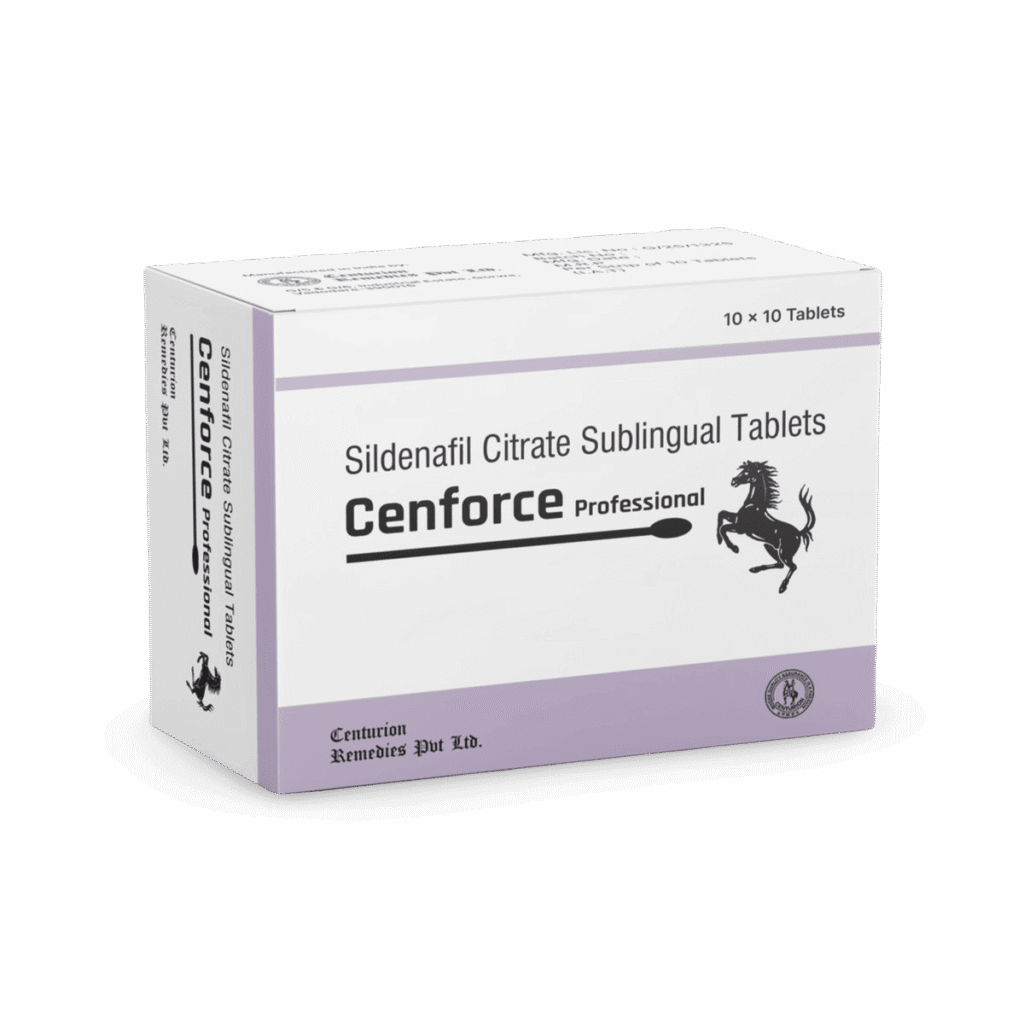
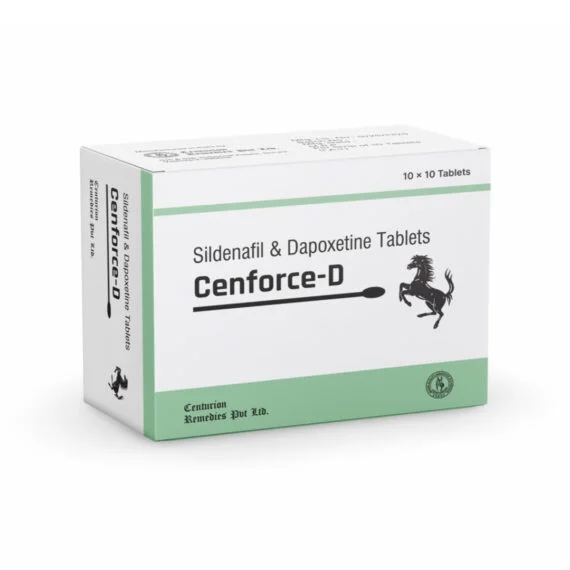
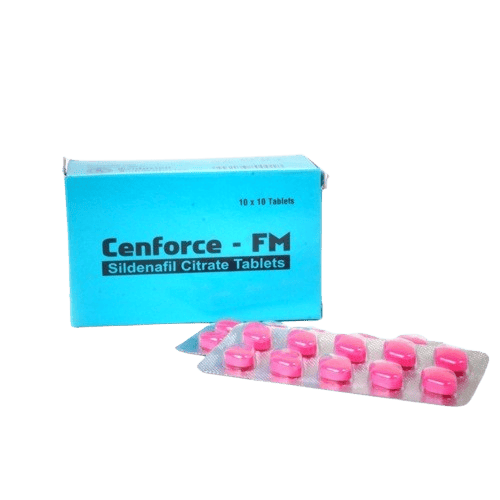
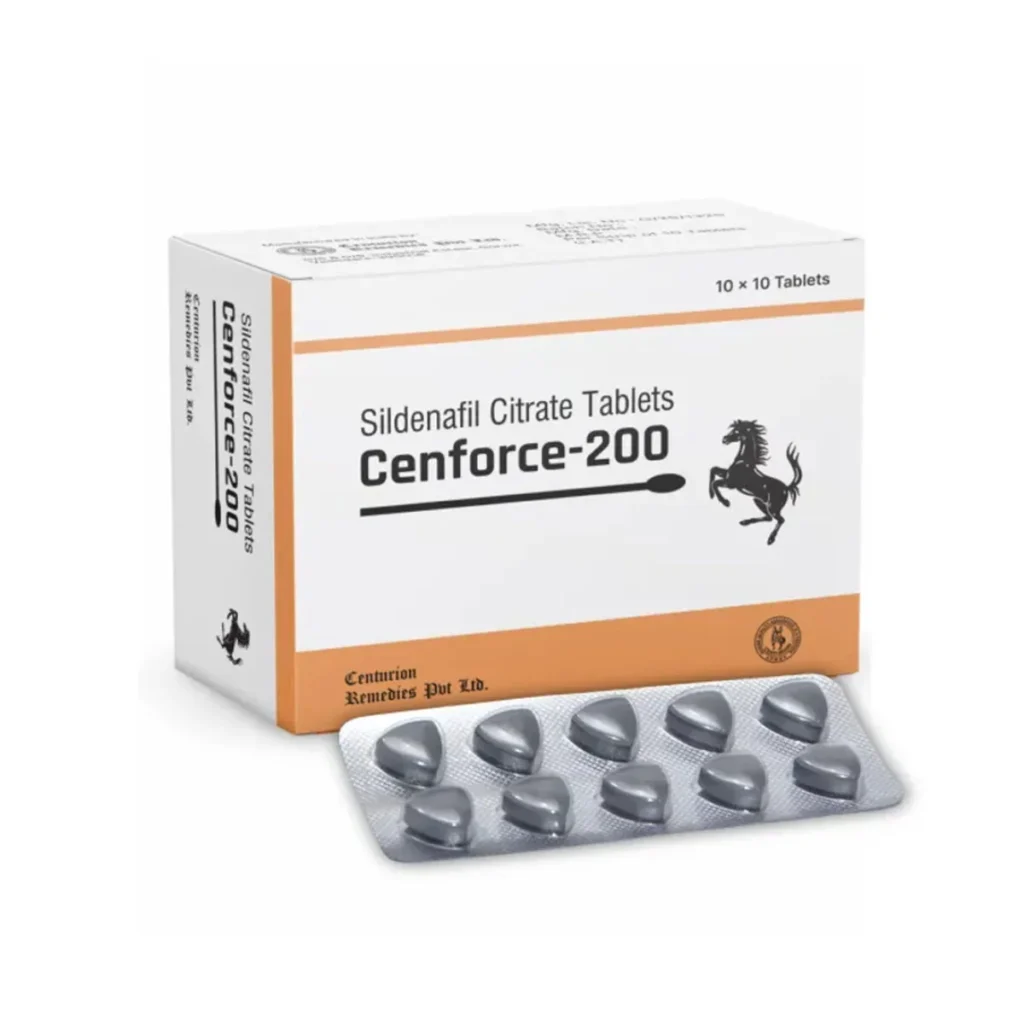
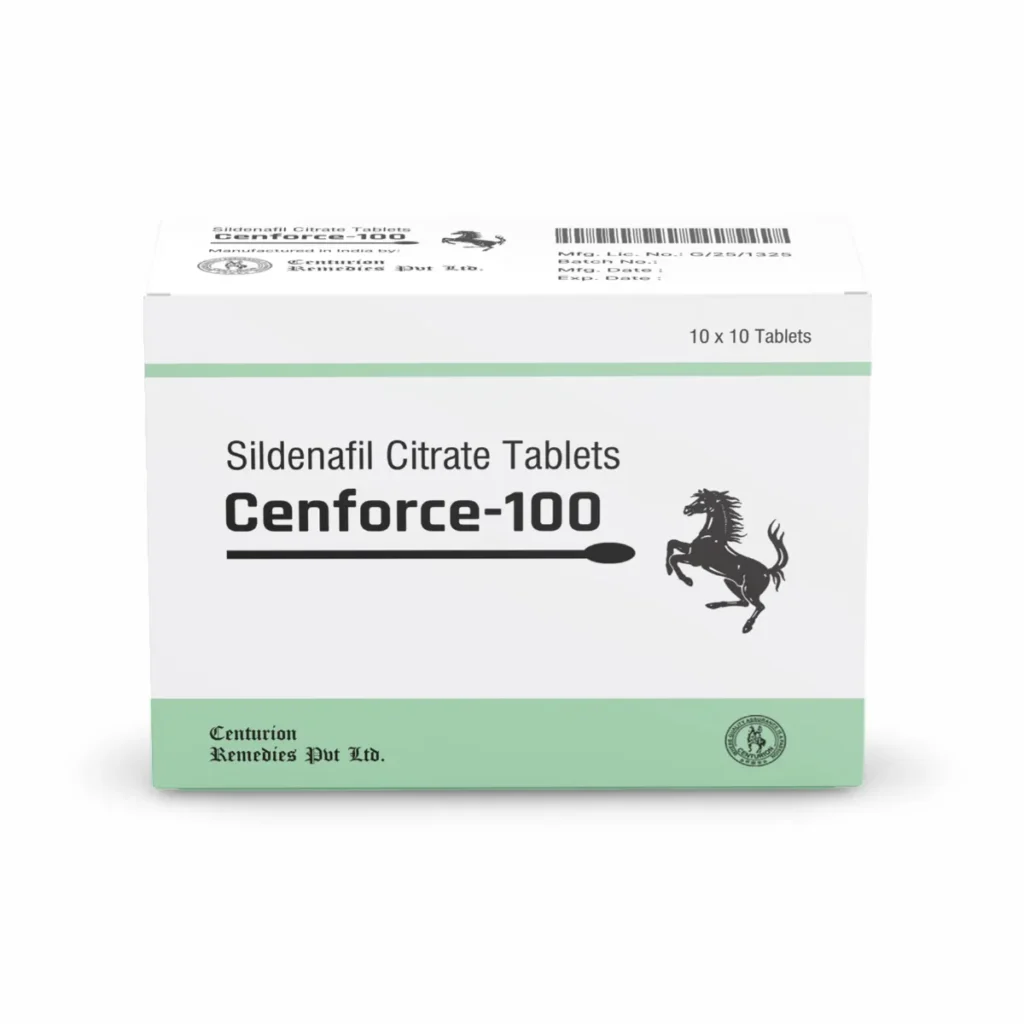
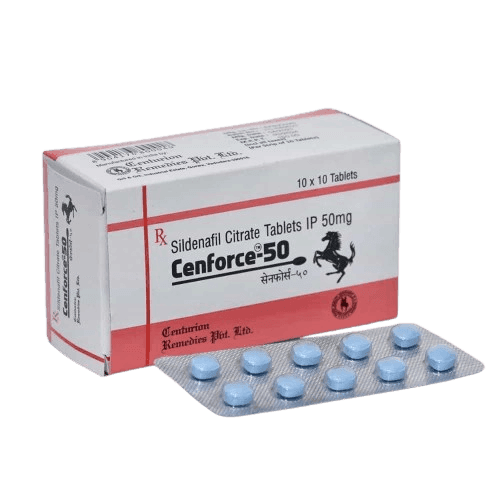
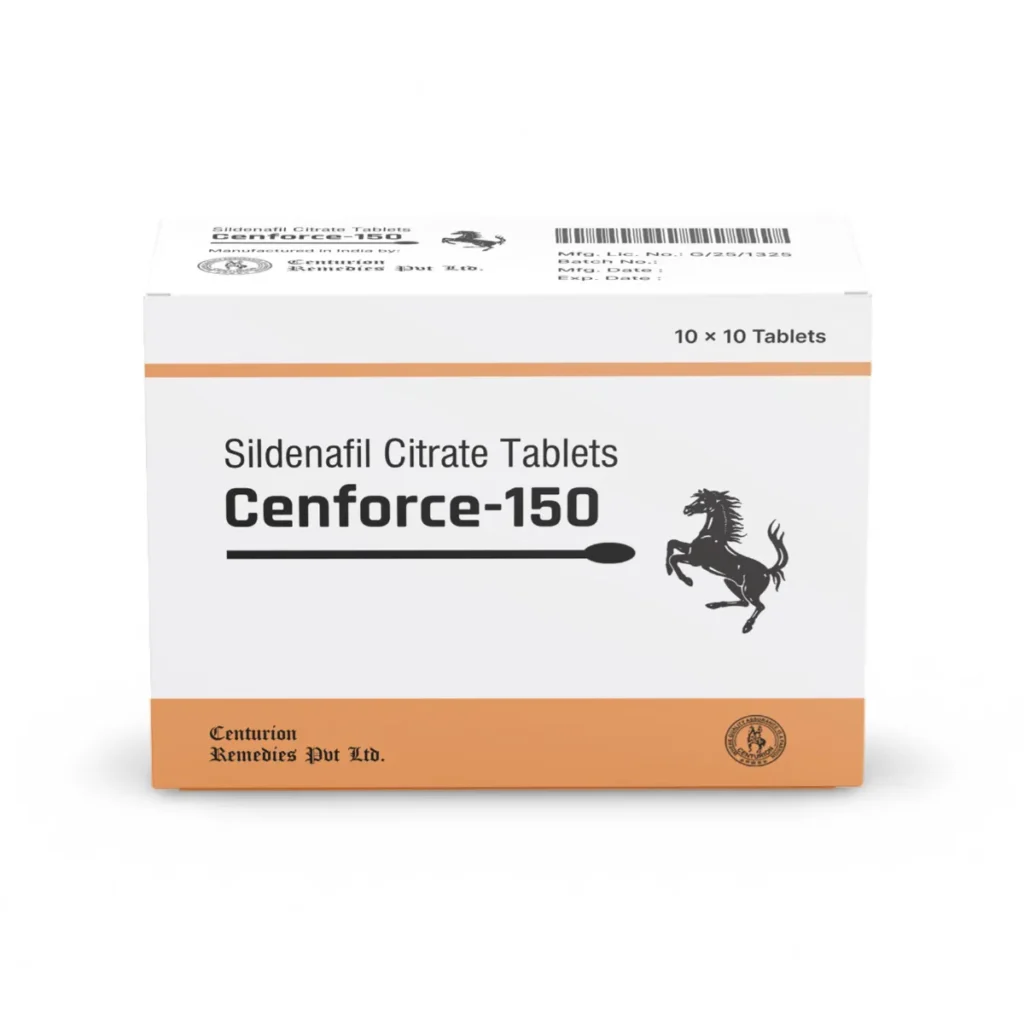
This creates a gap between clinical need and clinical access. Physicians who recognize the utility of dose escalation must either compound, prescribe off-label, or discuss generic alternatives — such as cenforce 150 mg and similar high-dose generic sildenafil tablets — that are manufactured specifically at the 150mg strength and available through licensed online pharmacies.
Who Is the Ideal Candidate?
Not every man with ED is a candidate for 150mg sildenafil. This dose is specifically suited to a defined patient profile:
Diabetic patients with vasculogenic ED — Diabetes damages both the endothelial lining of blood vessels and penile nerve fibers, producing a dual-mechanism impairment that blunts the response to standard doses. These patients often require a higher inhibitory load to achieve meaningful arterial dilation.
Post-prostatectomy patients — Radical prostatectomy frequently causes cavernous nerve injury. Even with nerve-sparing technique, neurogenic and vascular damage significantly reduces the erectile response to PDE5 inhibitors at standard doses.
Men with a documented 100mg non-response — Patients who’ve used sildenafil at standard doses correctly (on an empty stomach, with adequate stimulation, across multiple attempts) and still fail to achieve penetration-quality erections.
Patients with high metabolic clearance — Some individuals metabolize sildenafil rapidly due to CYP3A4 enzyme activity, reducing peak plasma concentration before the drug reaches full effect.
Men with severe arterial insufficiency — Atherosclerotic disease, hypertension, or prior cardiovascular events can compromise pelvic blood flow enough that 100mg produces insufficient pressure.
It’s worth noting what this dose is not for: recreational enhancement in men without diagnosed ED, or routine use by patients who haven’t tried lower doses first. The dose-escalation pathway should always follow a structured clinical trial of 25mg, 50mg, and 100mg before moving higher.
Understanding who benefits — and why — lays the groundwork for the more nuanced question of whether the clinical efficacy data actually supports this escalation strategy, and how the success rates compare across different patient populations and competing high-dose formulations.
Clinical Efficacy and the Benefits of Dose Escalation
Dose escalation to sildenafil 150mg produces measurable, clinically significant improvements in patients who have not responded adequately to the standard 100mg ceiling.
The numbers tell a clear story. In clinical trials, 72.7% of patients who previously failed on 100mg reported improved erections after increasing to 150mg, representing a meaningful jump from the roughly 75% efficacy rate seen at standard doses in moderate ED cases. For severe cases — where vascular damage, diabetes, or post-surgical nerve disruption reduce baseline responsiveness — that escalation pushes documented success rates toward 86.4%. The gap between those two numbers isn’t trivial. For a patient who has spent months convinced he’s simply beyond pharmacological help, crossing from failure to functional response changes the entire clinical picture.
“Increasing the dose of sildenafil to 150mg or 200mg is a valid clinical option for patients who have failed the 100mg dose, provided they have demonstrated good tolerability.” — Expert Opinion on Pharmacotherapy
This expert consensus matters because it reframes the conversation around dose titration. Moving to the maximum sildenafil dose isn’t an act of desperation or misuse — it’s a structured, evidence-backed protocol that clinicians have validated for a specific patient population.
The psychological dimension of dose escalation is frequently underestimated. A man who has experienced what feels like medication failure carries that anxiety into every subsequent attempt. Performance anxiety compounds organic erectile dysfunction, creating a feedback loop that lower doses can’t reliably break. When 150mg produces a reliable, sustainable erection, it doesn’t just solve the immediate physical problem — it interrupts that anxiety cycle. In practice, patients who achieve success at an escalated dose often report reduced reliance on the medication over time, as restored confidence partially offsets the underlying dysfunction.
Erection duration and quality also improve at higher dosages for men with developed physiological tolerance. Sildenafil works by inhibiting PDE5, the enzyme that breaks down cyclic GMP in smooth muscle tissue. Men who have used 100mg consistently over months may develop a functional tolerance — not in the classic pharmacological sense, but in the sense that their baseline PDE5 activity has adapted. Sildenafil BP 150mg provides a deeper, more sustained inhibition of that enzyme activity, which translates to firmer erections and a longer effective window, particularly relevant during extended intimacy or when response time to stimulation has slowed.
When comparing high-dose generic formulations, Cenforce 150mg is among the most widely referenced options in this category. Cenforce 150 uses sildenafil citrate as its active compound at the same 150mg concentration, manufactured to bioequivalent standards. Other high-dose generic variants exist across the market, with differing excipient profiles that can affect absorption speed and tolerability. The core pharmacological action remains consistent across bioequivalent generics — what varies is the inactive ingredient composition, which occasionally influences how quickly the medication reaches peak plasma concentration and whether GI side effects are more or less pronounced for a given individual.
Here’s a direct comparison of documented efficacy across dosage levels:
Metric | Sildenafil 100mg | Sildenafil 150mg |
|---|---|---|
General ED success rate | ~75% | ~86.4% |
Success rate in 100mg non-responders | Baseline (failed) | 72.7% improvement reported |
Erection quality (patient-reported) | Moderate to good | Good to strong |
Duration of effective window | 4–6 hours | 5–6+ hours (tolerance cases) |
Recommended patient profile | First-line & moderate ED | Severe ED / 100mg non-responders |
The table above reinforces what the clinical literature consistently supports: 150mg isn’t simply “more of the same.” It occupies a distinct therapeutic position, designed for cases where the 100mg ceiling has demonstrably been reached. According to WebMD’s clinical overview of sildenafil, dose adjustments should always be made with physician oversight, weighing response history against individual cardiovascular and metabolic factors.
The efficacy case for 150mg is well-established — but the benefits only materialize safely when administration is properly managed. Achieving the clinical gains outlined above depends entirely on whether the patient is an appropriate candidate, whether contraindications have been screened, and whether the transition from 100mg has been supervised. That’s where the next consideration becomes equally critical: understanding the side effect profile, contraindications, and responsible sourcing practices that govern high-potency sildenafil use.
Safety, Side Effects, and Responsible Administration
At higher dosages, sildenafil’s therapeutic benefits and its risk profile both intensify — making informed, supervised administration the defining factor between effective treatment and serious harm.
Patients and clinicians who consider dose escalation to 150mg must hold two realities in balance simultaneously: the clinical case for higher-dose therapy in treatment-resistant ED is well established, and the adverse event burden rises in a dose-dependent pattern. Understanding exactly where those risks concentrate — and how to navigate them — is what separates responsible use from dangerous self-medication.
Common side effects at 150mg mirror those seen at 100mg but occur with greater frequency and intensity. According to MedlinePlus, the most frequently reported adverse effects of sildenafil include headache, facial flushing, nasal congestion, dyspepsia, and dizziness. At the 150mg threshold, these effects are amplified by the increased systemic vasodilation the drug produces. Headaches — driven by cerebrovascular dilation — and flushing are among the most common patient complaints at this dose level. Dyspepsia affects a meaningful subset of users, particularly when the medication is taken with food. In most cases, these effects are transient and self-limiting, but their presence signals that the drug is working near the upper boundary of the patient’s physiological tolerance.
Two higher-severity risks warrant specific attention at 150mg: priapism and visual disturbances. Priapism — a prolonged, painful erection lasting more than four hours — is a urological emergency. Reports within clinical communities describe patients experiencing erections approaching or exceeding three hours after taking 150mg doses, a pattern consistent with the pharmacodynamic ceiling being approached. If left untreated, priapism can cause irreversible penile tissue damage. Visual side effects, including blurred vision, altered color perception, and in rare cases sudden vision loss, are linked to sildenafil’s inhibition of PDE6 in retinal tissue — an off-target effect that becomes more pronounced at higher plasma concentrations. Any visual changes following a 150mg dose should be treated as a medical emergency.
⚠️ Warning: Sildenafil 150mg must never be combined with nitrates (including recreational poppers), alpha-blockers, or other PDE5 inhibitors. The resulting hypotensive effect can be severe and life-threatening. Patients with unstable angina, recent myocardial infarction, uncontrolled hypertension, or severe hepatic impairment are contraindicated for high-dose sildenafil therapy.
Contraindications at this dose are non-negotiable clinical boundaries, not guidelines. The Cleveland Clinic notes that sildenafil is absolutely contraindicated with nitrate medications due to the risk of catastrophic blood pressure drops. Alpha-blockers, commonly prescribed for benign prostatic hyperplasia, present a secondary concern; while not absolutely contraindicated in all cases, co-administration at high doses requires careful titration and monitoring. Patients with cardiovascular conditions — particularly those who are not cleared for the level of physical exertion that sexual activity demands — should not use sildenafil at any dose without explicit physician clearance.
Safe transition from 100mg to 150mg follows a defined clinical protocol:
Confirm that the patient has tolerated a minimum of four to six doses of 100mg without significant adverse cardiovascular events, consistent with guidance from the Expert Opinion on Pharmacotherapy
Rule out all contraindicated medications through a comprehensive medication review
Assess baseline cardiovascular fitness and blood pressure stability
Introduce 150mg under physician supervision, beginning with the lowest effective sexual stimulation context
Schedule a follow-up within two to four weeks to evaluate tolerability and efficacy
Educate the patient on priapism recognition and emergency response
For patients managing comorbidities such as severe diabetes — a population for whom high-dose sildenafil is often clinically necessary because standard dosing is insufficient, per the International Journal of Impotence Research — ongoing monitoring of blood glucose, blood pressure, and renal function is part of the responsible use framework.
On sourcing: patients searching for sildenafil 150 mg online must prioritize verified, licensed pharmacies over gray-market vendors. Compounded 150mg formulations and high-potency generic tablets are available through legitimate channels with a valid prescription. Discreet dispensing is standard practice among licensed online pharmacies operating under state and federal pharmacy board oversight. Patients should verify VIPPS (Verified Internet Pharmacy Practice Sites) accreditation before placing any order and should never purchase from sites that offer prescription-strength ED medications without a consultation.
Sildenafil 150mg offers a genuine clinical pathway for patients who have not found adequate relief at standard doses — but that pathway runs directly through qualified medical supervision. Consult a licensed provider, disclose your full medication list, and approach dose escalation as the precision intervention it is.